International Ceramics Exhibition Mino, Japan – ceramics competition for artists with a €28,600 Grand Prix
For almost forty years, renowned juries in Japan have chosen the best ceramics in the world. Entries come from more than seventy countries.
International Ceramics Exhibition Mino, Japan is an international ceramics competition.
The theme of the new cycle is “Potential of Ceramics”.
Anyone can take part: the competition sets no limits on citizenship, experience or age.
Who can take part
There are no official requirements for participants, and the competition is open to everyone.
Neither a passport, nor a portfolio, nor a degree affects the jury’s decision.
Three categories do, however, set the direction: ceramic art for creative objects and ceramic design for functional pieces. Design is split into factory production and studio or workshop. Companies apply only in the factory category (their staff may also enter on the company’s behalf), while an independent author, duo or collective chooses between ceramic art and studio design.
The only age exception is the separate Sakazaki Shigeo Ceramics Award. It is worth ¥500,000 (≈€2,900) each in art and in design, for authors aged 40 or under when applications close.
It has been awarded since 2011, from the ninth edition. The money comes from the Sakazaki Shigeo Ceramics Industry Succession Fund, set up by the Tajimi Pottery Wholesalers’ Co-operative Association. The award is named after Sakazaki Shigeo, who made the first competition possible in 1986 and travelled the world promoting it.
What work is accepted
The theme of the new cycle asks you to go beyond conventional ideas about ceramics.
The work must be made by the author mainly from ceramics, and no earlier than 1 February 2024. Older pieces are not accepted, nor are works that have already won or been selected in other open competitions.
Up to three works per category, but the same piece cannot be entered twice.
The only limits are technical: base area up to 4 m², height up to 4 m, weight up to 100 kg. For multi-part objects, the weight limit applies to each part separately.
How entries are judged
Selection takes place in three stages.
The first two are remote, based on photographs. First the jury narrows down the full list, then it picks finalists for the in-person viewing.
The third stage is held in person, with the works themselves, and this is where the award winners are decided.
The organisers state plainly what can remove a work from the competition before judging: late delivery, damage on unpacking, a mismatch with the submitted photograph, or the organisers’ decision that the work is not suitable for display.
Prizes
The prize fund is divided into several award levels.
The Grand Prix – ¥5,000,000 (about €28,600) – goes to one work.
The Gold Award – ¥2,000,000 (about €11,400) – also goes to just one.
The Silver Award – ¥1,000,000 (about €5,700) – goes to three works.
One in each of the three categories.
And the Bronze Award – ¥500,000 (about €2,900) – goes to four.
A Special Judge’s Award – ¥100,000 (about €570) – goes to ten works.
Another 160–180 works receive an honourable mention without prize money, but with the same right to appear in the exhibition.
Every award winner and selected artist also receives the competition catalogue.
Exhibition
The result of the competition is tangible: your work ends up in a museum space, in full view.
About 200 selected works will be shown at Ceramics Park MINO in Tajimi, Gifu Prefecture, from 8 October to 7 November 2027.
The Grand Prix and Gold Award works go further: they stay for good in the collection of the Museum of Modern Ceramic Art, Gifu, alongside works from all the competition’s earlier editions.
The Grand Prix winner is also invited to Japan for the award ceremony. The organiser pays for the flight and accommodation.
Why it is worth your attention
The organisers date the history of ceramics back ten thousand years. They fear that the craft spirit will be lost to mass production.
The first edition took place in 1986. Since then the competition has been held every three years, and the fourteenth is under way now.
The previous cycle drew 3,890 works from 2,128 authors in 77 countries, a rare scale for a competition with no entry fee.
The author keeps the rights to the work itself. The organiser gets the right to show it, print it in the catalogue and use it in its own materials. Authorship and all economic rights stay with the author.
What you need to apply
Applying is easier than it first seems: submission is online at icfmino.com, with no fee, and begins with a single email.
After that you need a headshot (JPEG, up to 4 MB) and photographs of up to three works. You also need a design concept of no more than 800 characters. The form can be completed in Japanese or English. The Japanese field is optional: if you leave it empty, the organisers will translate the text automatically.
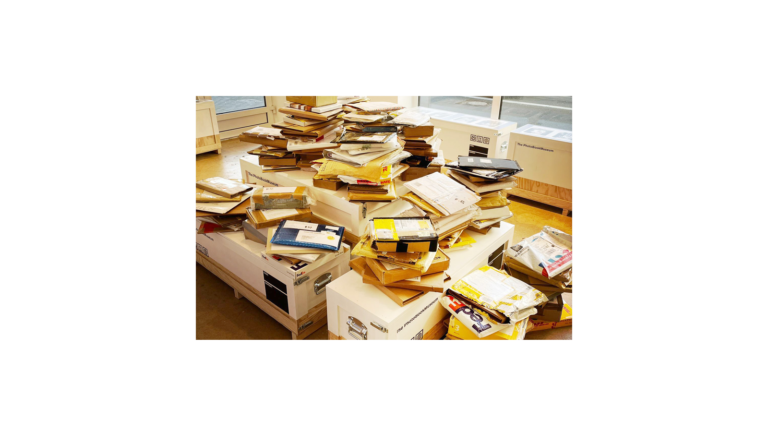
Those who reach the final in-person viewing in August must ship the work through a transport company at their own expense. This is the one real barrier.
The organiser pays import duty and consumption tax in Japan. From arrival until the work is packed after the exhibition, it also insures each work for up to ¥300,000 (≈€1,700), so the value on the invoice should be no higher. Insurance in transit is up to the author.
A selected work can also be withdrawn from the competition for late arrival or damage on unpacking.
The author pays for return shipping but can decline it, in which case the work is disposed of.